Metal Rust Prevention Starts Before the Steel Ever Ships
The cheapest corrosion dollar you will ever spend is the one spent on clean steel in a shop. OR93BL and Flak Jacket polyurea go onto freshly blasted metal at 20 to 120 mils in a single pass — sealing the profile before the first bloom of flash rust and giving the part a service life the field never gets to renegotiate.
Get Shop Pricing & SpecsWhy Prevention Beats Remediation, Every Time
Clean Steel Is the Best Substrate You Will Ever Have
A freshly blasted 2–4 mil profile with no chlorides, no oil, and no oxide is the ideal condition for adhesion — better than 500 PSI pull-off. That surface exists exactly once in the part's life, and it exists in your shop. Nothing you can do in the field five years from now will recreate it.
Controlled Conditions, Predictable Result
Shop application means known temperature, known dew point, containment, lighting, and access from every side. Field application means wind, weather windows, scaffolding, and containment permits. The same coating costs a fraction as much to apply before the part leaves the building.
No Deterioration to Chase Later
Once corrosion starts you are no longer buying protection — you are buying removal, disposal, section-loss inspection, and rework. Prevention skips all of it. The membrane is the only line item.
Blast, Coat, Ship the Same Day
Polyurea is tack-free in 10 to 30 seconds and handling-ready in minutes. Parts move through a shop bay in a single shift instead of parking in a cure rack for two days, so prevention costs you throughput you would not have gotten anyway.
What Gets Coated Before It Ships
New and clean metal, coated at the point in its life when protection is cheapest and adhesion is best.
- Fabricated structural steel
- OEM equipment bodies & frames
- New trailer decks & underframes
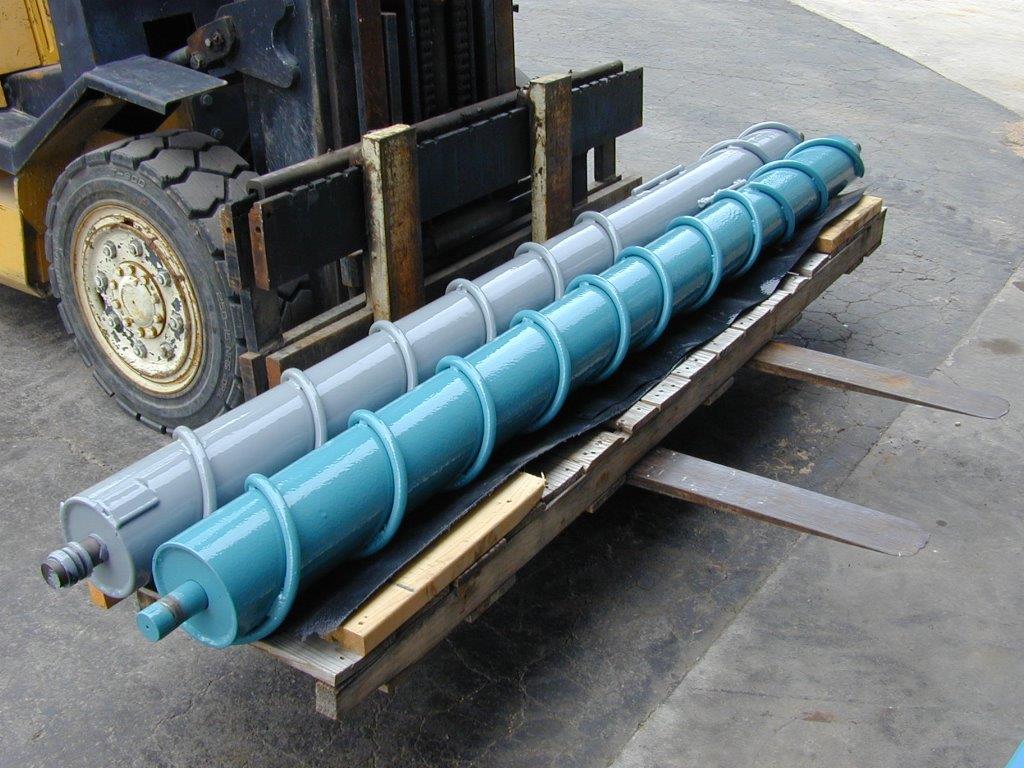
- Tanks, hoppers & silos
- Weldments & skid packages
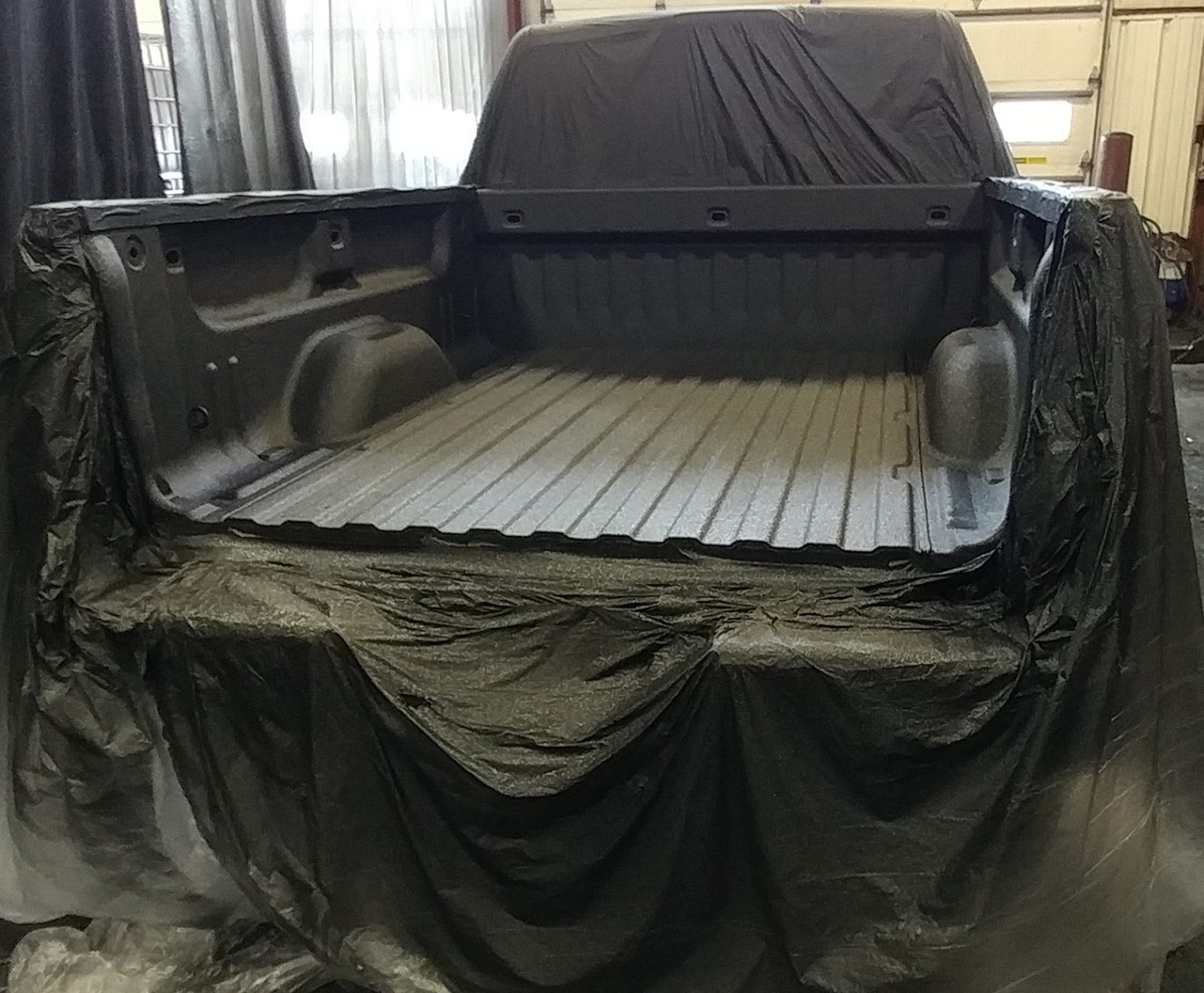
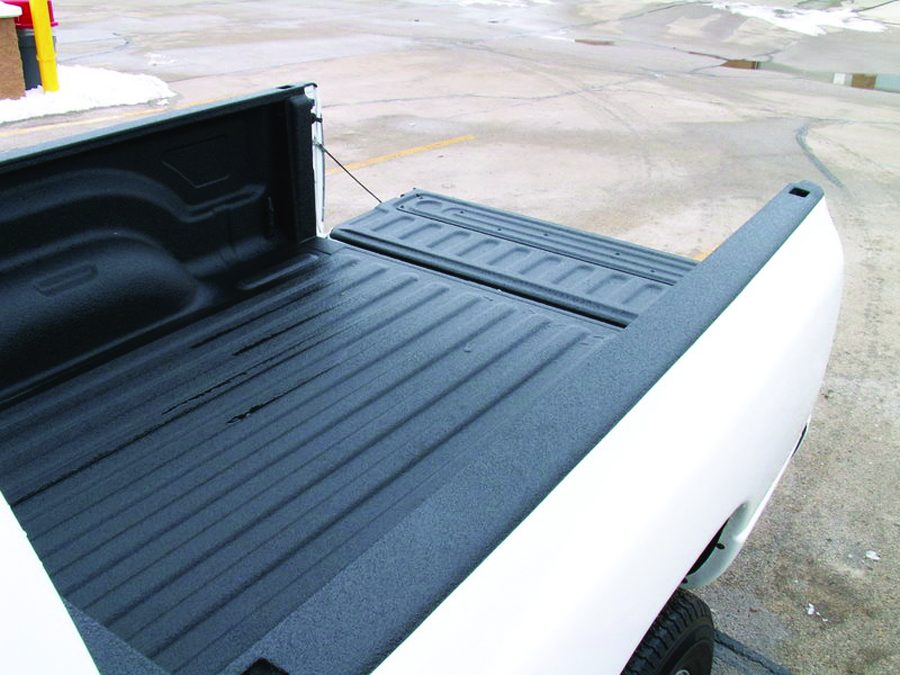
- New truck beds & flatbeds
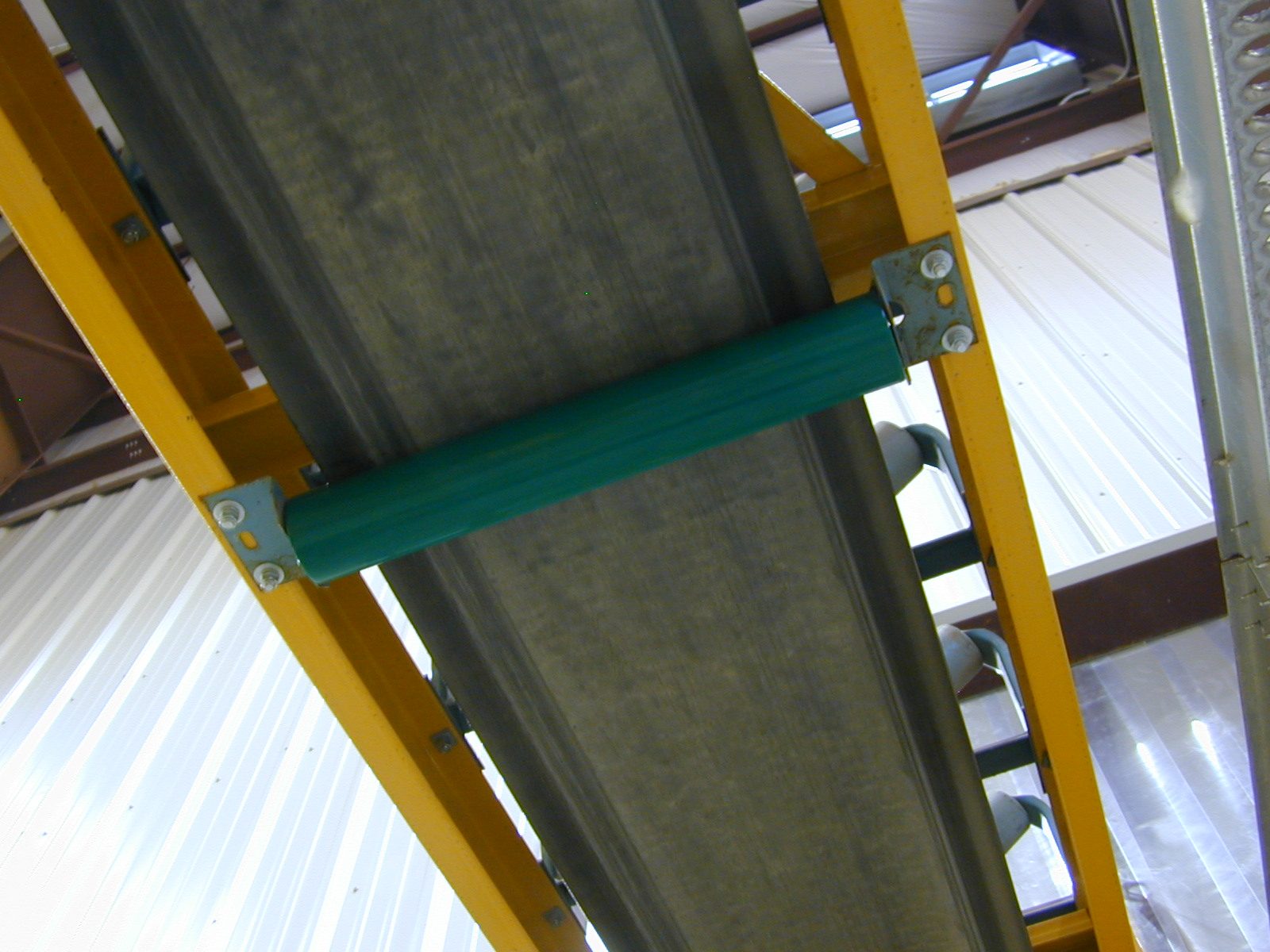
- Conveyor frames & chutes
- Metal building panels & purlins
- Ag implements & spreaders
- Handrail, grating & platform steel
The Prevention Stack
Chosen by what the part will face after it leaves the shop — not by what it looks like on the rack today.
The Cost Curve Nobody Budgets For
There is a well-worn rule in corrosion engineering, and it holds up: protecting steel in the shop costs a dollar. Doing the same work after the part is erected costs several. Doing it after visible corrosion has started costs an order of magnitude more, because you are now paying for containment, abrasive disposal, inspection, and rework on top of the coating itself.
None of that shows up on the fabrication quote. It shows up on somebody else's maintenance budget, four to seven years later, which is exactly why it keeps happening.
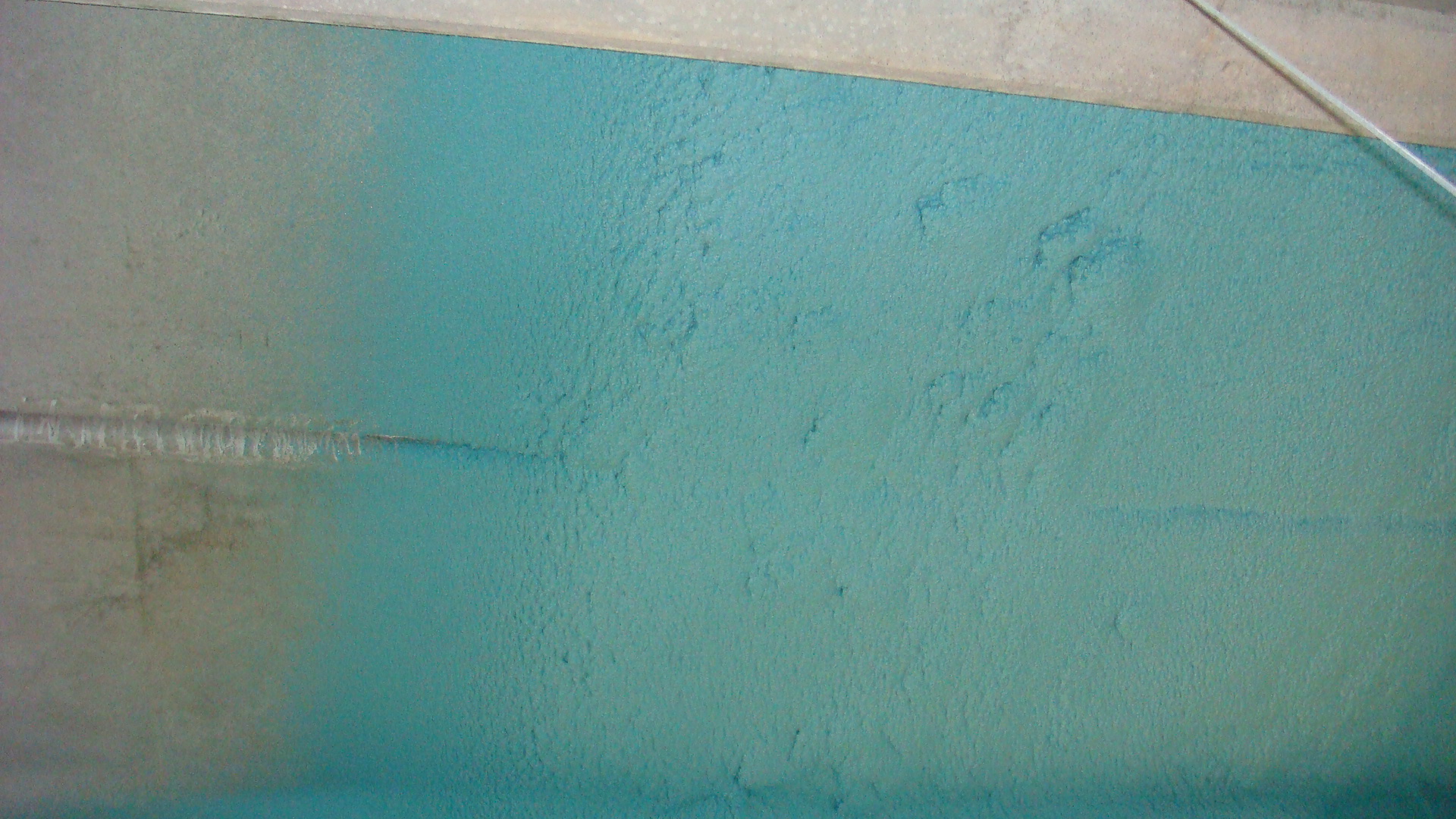
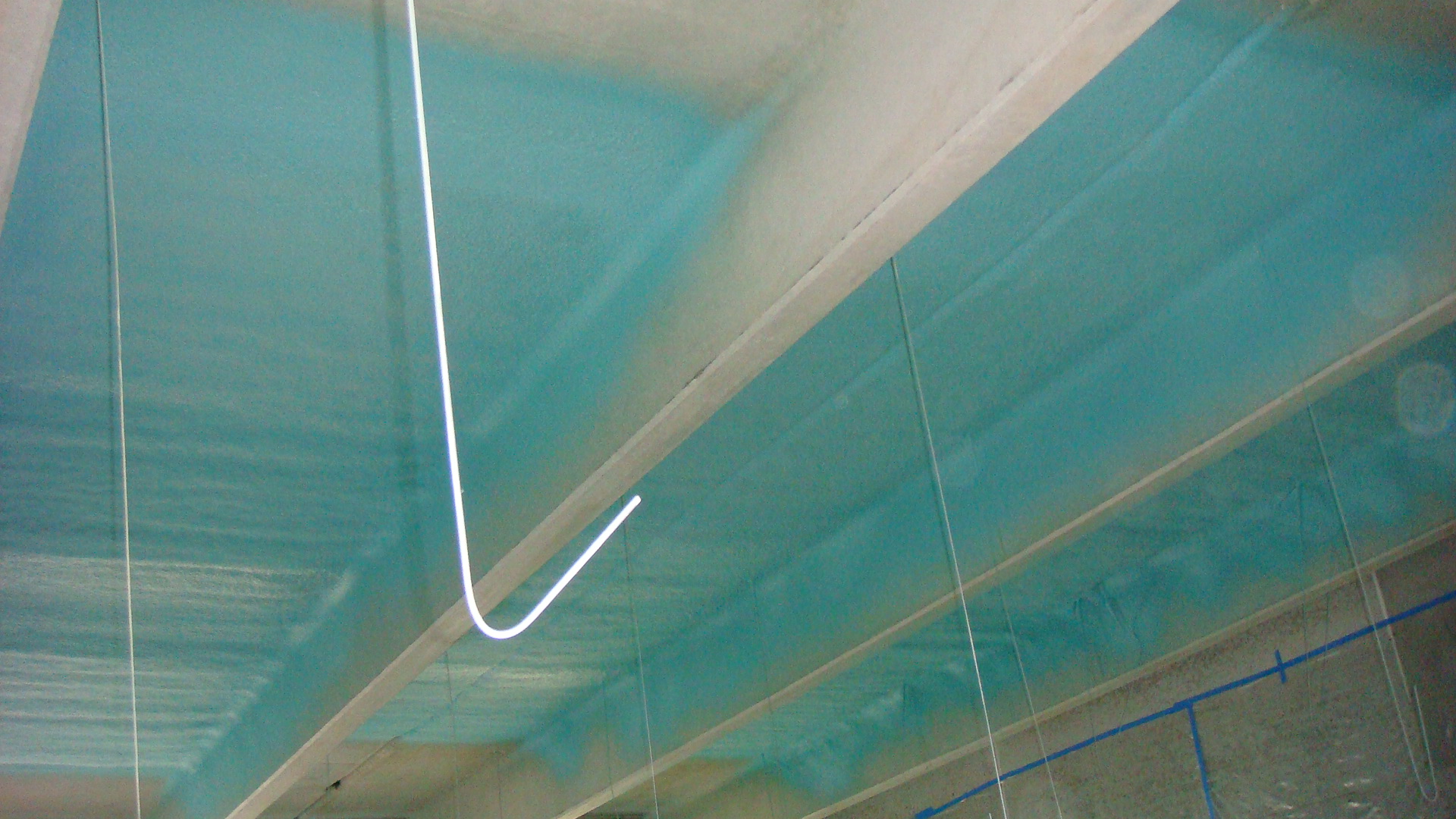
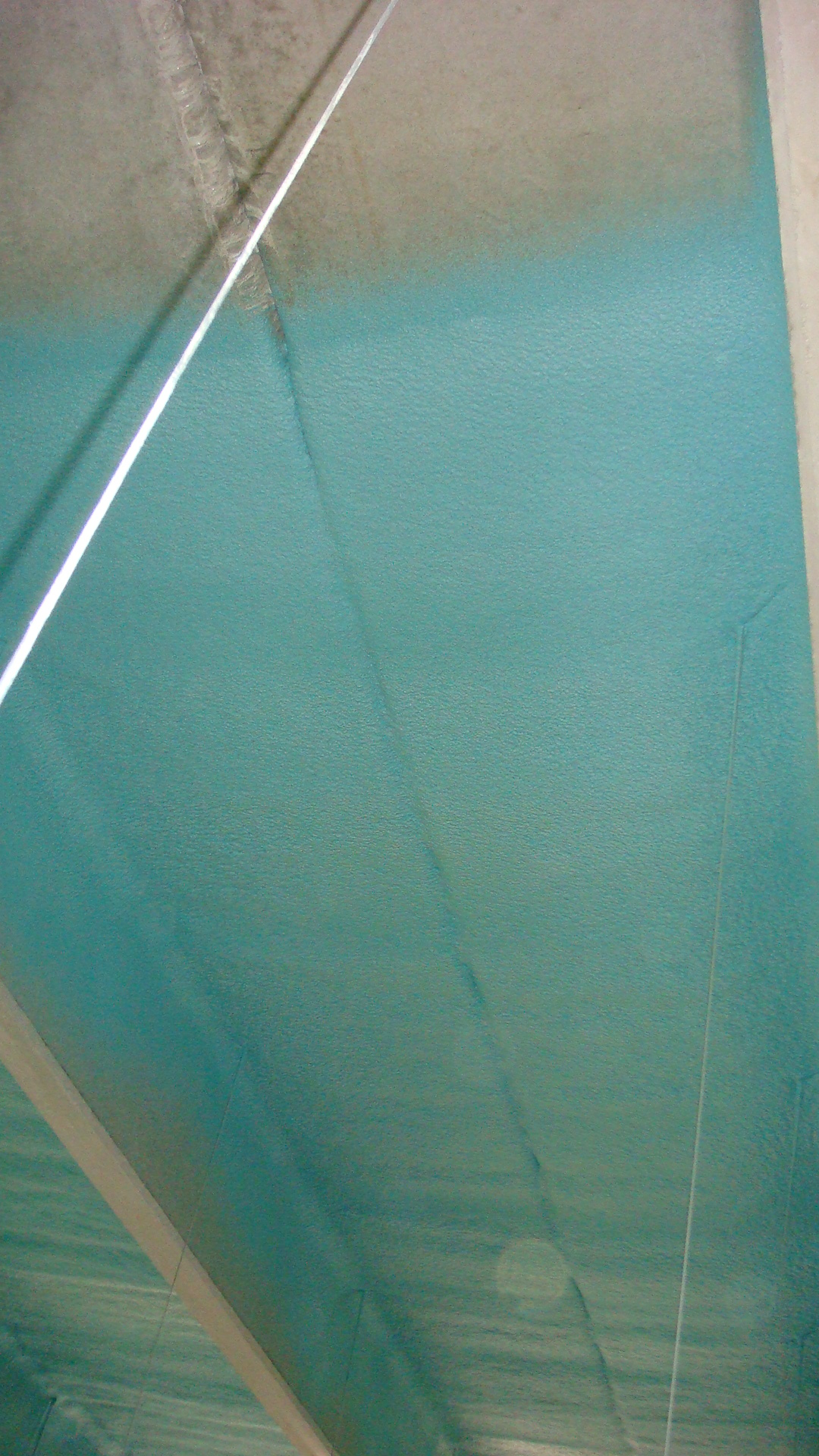
Prevention changes what you are buying. On new steel, a single polyurea pass at 40 to 60 mils over a fresh SP6 blast is the whole scope. No lead abatement, no scaffolding, no weather window, no partial-shutdown coordination. The membrane keys into a 2–4 mil profile that has never seen weather, and develops pull-off adhesion above 500 PSI. That number does not come back once the part has been outside for a season.
Prevention Economics
What a Prevention Spec Looks Like
Writing corrosion prevention into a fabrication package is simpler than most people expect. Five lines cover it.
- Surface preparation: SSPC-SP6 commercial blast cleaning, 2–4 mil angular anchor profile, verified by replica tape
- Chloride limit: below 7 µg/cm² for parts entering coastal, de-icing, or wash-down service
- Coating: OR93BL 100% solids polyurea applied by plural-component spray, single pass
- Dry film thickness: 40–60 mil exterior atmospheric; 60–80 mil where impact or immersion is expected
- Time to coat: within the same shift as blasting, before flash rust develops
That last line is the one people forget, and it is the one that quietly decides whether the rest of the spec means anything. Blasted steel begins re-oxidizing within hours in ordinary shop humidity. Coat it while it is clean.
Shop-Applied Work
Building It? Coat It Before It Leaves.
Send us the part list, the service environment it ships into, and your annual volume. You will get a shop spec, a DFT target, and volume pricing. OEMs and fabricators — ask about scheduled supply.
Get Shop Pricing & SpecsGet Shop Pricing & Specs
Tell us about your project and we will follow up with product details, technical data sheets, and pricing.
Frequently Asked Questions
Frequently Asked Questions
What fabricators, OEM engineers, and spec writers ask us most.
Prep & Substrate
How soon after blasting does the part have to be coated?
Same shift. Blasted carbon steel begins flash-rusting within hours at ordinary shop humidity, and a flash-rusted profile no longer gives you the adhesion you paid for. If parts must stage overnight, dehumidify the area or plan to sweep-blast before coating.
Can it go over galvanized or an existing shop primer?
Yes, with 7001 primer. Do not blast galvanized to white metal — sweep-blast or abrade to give tooth, then apply 7001, then the polyurea. On shop-primed steel, 7001 also blocks bleed-through from the original coat.
Do I really need chloride testing on brand new steel?
For coastal, road-salt, or wash-down service, yes. New steel is not automatically salt-free — mill handling, open-truck transport, and outdoor lay-down all deposit chlorides. Verify below 7 µg/cm². Salt left under a 60-mil membrane will osmotically blister it, and that repair is far more expensive than the test.
What about slip-critical bolted connections?
Faying surfaces of slip-critical connections have their own requirements and must be coordinated with the engineer of record. In practice we mask those areas and coat everything else, then field-touch the connection region after erection if the spec allows.
Shop Workflow & Throughput
How does this fit a production schedule?
Better than a multi-coat system, because there is no cure window between coats — there is only one coat. Tack-free in 10 to 30 seconds and handling strength in minutes means a part goes from blast to spray to staging within a single shift, rather than occupying floor space for two days.
What equipment does a shop need?
A plural-component proportioner with heated hose — Graco Reactor E-20 or E-30 class or equivalent — plus adequate air, power, and a ventilated spray area with containment for overspray. We will help size the rig to your realistic square footage per shift rather than to a brochure number.
Can we outsource this instead of buying a rig?
Absolutely, and many fabricators do. We can refer applicators who run our material, or supply your existing coating contractor directly so the spec and the material stay consistent across jobs.
What DFT should we specify?
40 to 60 mil for general atmospheric exposure, 60 to 80 mil where impact or heavy wash-down is expected, and 60 to 100 mil for immersion or interior vessel service. Tell us the destination environment and we will put a number on it rather than a range.
Performance & Cost
How does the cost compare to a three-coat paint system?
Material cost per square foot is higher; installed cost is often comparable once you account for labor across three coats, cure time occupying shop floor, and the recoat cycle at five to seven years. Over the asset life the polyurea system usually wins outright — the honest comparison is dollars per year of service.
Will it fade or chalk?
Aromatic polyurea like OR93BL chalks and loses gloss in direct UV. It is a cosmetic change only — corrosion protection, tensile, and elongation are unaffected. Where the finished part is architecturally visible, we spec an aliphatic topcoat over the membrane.
What happens if a coated part gets damaged in shipping?
Field repair is straightforward: abrade the damaged area, apply 7001 primer, and respray. Within about six hours of the original application, a new pass bonds chemically with no primer needed at all. This is one reason it holds up well on parts that get handled hard.
Does prevention coating come with a warranty?
Full warranty terms apply when the SP6 blast standard, profile, chloride limit, and DFT are met and documented — which is exactly why shop application is the preferred route. Field maintenance work over power-tool-cleaned surfaces carries a reduced-warranty note.
Writing a Spec and Need a Second Opinion?
Send us the draft. We will mark it up honestly, including the places where a different product would serve you better.
Ask a Question